Social Media Impact on Mental Health of Students
Social media has become ubiquitous in our society. It feels like every one of us is on social media, and for a great reason – it’s an unusual way to be connected with family and friends. But what about students? How does social media impact their lives and education?
The current state of social media and its adverse effects
There’s no doubt that social media has profoundly impacted how we communicate and connect. Research suggests that social media negatively affects our mental health, particularly among young people. One of the main issues with social media is how it encourages comparison. When we’re constantly bombarded with images of other people’s perfect lives, it’s easy to start feeling like we’re not good enough. This can lead to feelings of inadequacy, anxiety, and depression. Social media also exposes us to a never-ending stream of negative news and stories, which can have a damaging effect on our mental well-being. And finally, the constant notifications and notifications can be overwhelming and intrusive, leading to feelings of anxiety and stress. While social media can positively impact university students, such as helping them stay connected with friends and family – but the negative impacts must be viewed.
---------------------DID YOU KNOW?--------------------

Founded year: 2010
How long users spend on the app per day: 29 minutes
Monthly active users: 1.47 Billion
Photos uploaded daily: 95 Million

Founded year: 2004
How long users spend on the app per day: 33 minutes
Monthly active users: 2.91 Billion
Daily active users: 1.9 Billion

Founded year: 2011
How long users spend on the app per day: 31 minutes
Monthly active users: 557 Million
Daily active users: 319 Million
Snaps created daily: 5 Billion

Founded year: 2006
How long users spend on the app per day: 31 minutes
Monthly active users: 436 Million
Daily active users: 206 Million
Daily tweets: 500 Million
Time spent on social media / day
One of the main problems is that social media can be highly addictive, leading to students spending hours every day scrolling through their feeds instead of studying or attending classes. This can severely affect grades and may even lead to students dropping out of university altogether. In addition, social media can be a significant distraction, making it difficult for students to focus on their work. Another downside is that social media can fuel comparison and envy, as users are constantly presented with images of their peers seemingly living perfect lives. This can be feelings of inadequacy and low self-esteem. University students who are the victims of online bullying may struggle with anxiety, depression, and isolation. While social media can benefit university students, it is crucial to be aware of the potential risks before logging on.
56%
56% of social media users in the millennial age group use these applications in “fear of missing out” from what is going on around them and in their social groups.
Body Image
It’s no secret that social media can harm self-esteem, particularly regarding body image. For women, the pressure to conform to an unrealistic and often unattainable standard of beauty is relentless. Even worse, the vast majority of images presented as “ideal” have been heavily edited and photoshopped, leaving many women feeling inadequate and dissatisfied with their appearance.
Men are not immune to these pressures, either.
Recently, much more focus has been on the male physique and the expectation that men should have muscular, toned bodies. This pressure can lead to body dysmorphic disorder, an unhealthy obsession with one’s appearance.
Cyberbullying
Studies have shown that university students who spend more time on social media are more likely to be cyberbullied. There are several reasons for this. First, social media provides a larger audience for cyberbullies to target their victims. Second, the anonymous nature of social media allows cyberbullies to hide their identities, making it harder for their victims to defend themselves. Finally, the 24/7 nature of social media means that university students can be cyberbullied at any time of day or night. As a result, university students need to be aware of the risks of cyberbullying and take steps to protect themselves. One way to do this is to limit the amount of time they spend on social media. Another is to be selective about who they friend or follow on social media. Finally, they should report any instances of cyberbullying to the authorities. Victims are bullied for various reasons including judged on their appearance, race, sexuality, financial status, and religion to name a few.
Who is impacted?
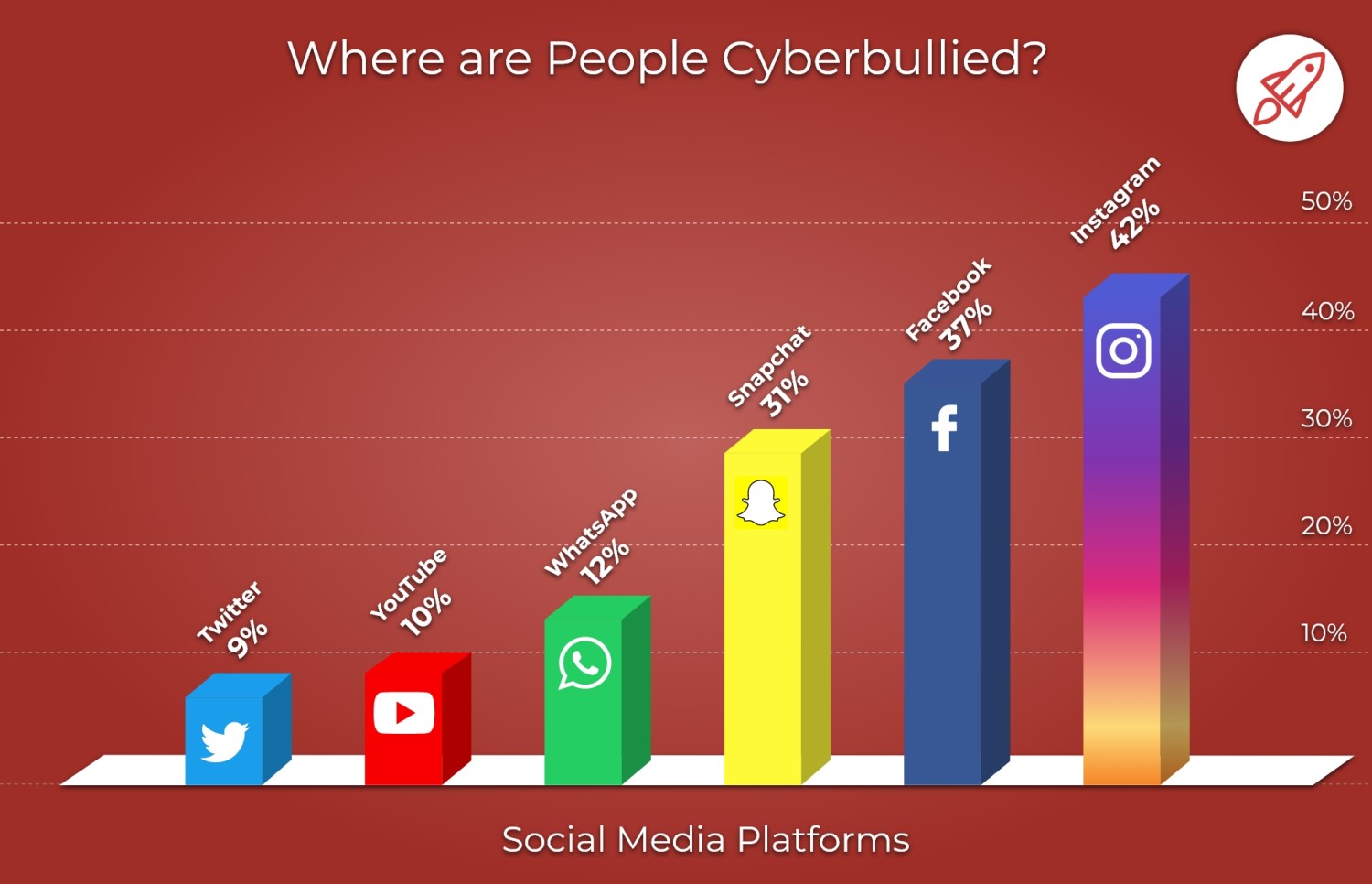
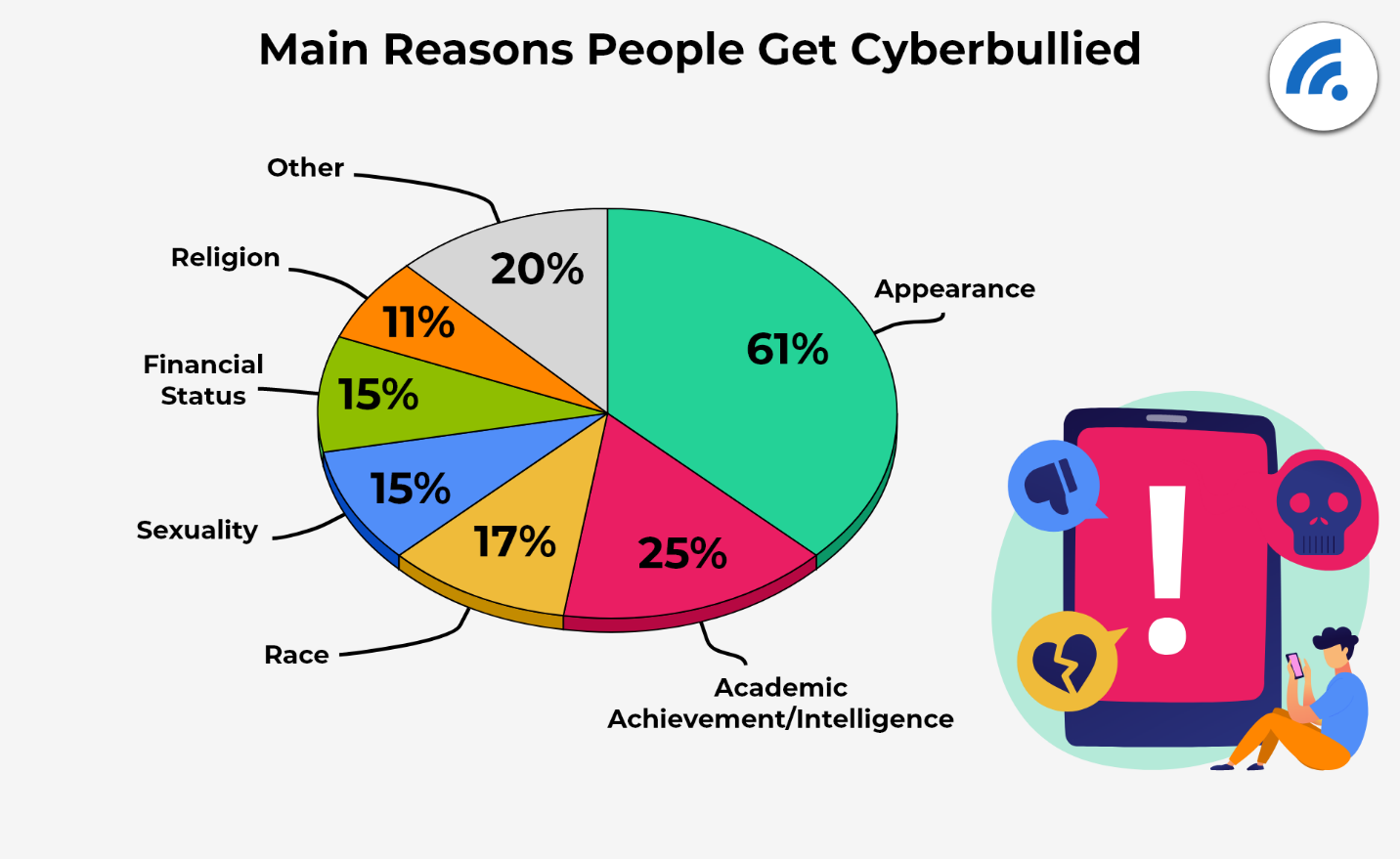
STUDENT'S PERSPECTIVE
Solutions to the negative social media effects
There are some ways in which these negative impacts can be minimized. One way is for universities to provide more guidance on using social media. This could include information on how to manage time online, how to set strict boundaries with friends and family, and how to deal with online bullies. Another way to reduce the negative impacts of social media is for universities to offer more support services for students. This could include counselling services for students struggling with anxiety or depression and support groups for students feeling isolated. Finally, universities could encourage students to take breaks from social media. This could involve creating safe spaces on campus where students can disconnect from their devices and connect face-to-face. By taking these steps, universities can help reduce social media’s negative impacts on their students.
AVAILABLE RESOURCES
Post-Secondary Resources For Students
(Internal Resources)
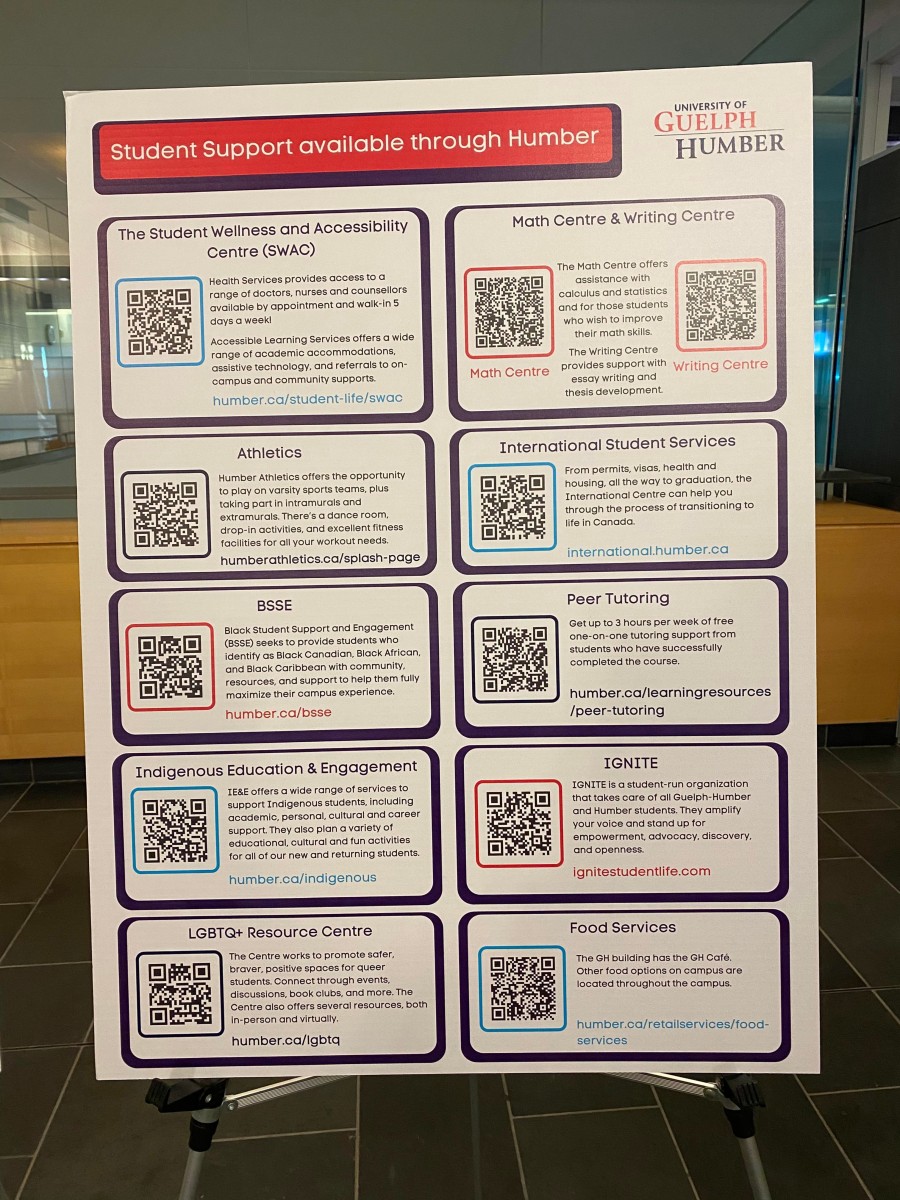
Post-Secondary Resources For Students
(External Resources)
Good2Talk
- 1-866-925-5454 (available 24/7)
- Text GOOD2TALKNS to 686868
Ontario Resources
- Big White Wall is an online peer to peer support community, for more information click here
- Talk4healing (for Indigenous women) 1-855-554-HEAL (4325)
National Resources
- Crisis Services Canada provides 24/7 support to people in Canada. Call 1-800-456-4566 or text 45645
- National Suicide Prevention Lifeline provides 24/7. Call 1-800-273-8255.
If you are concerned about the safety of yourself or another call 9-1-1